Slow Living in the Peloponnese: Architecture, Olive Groves, and Stillness
Examining the raw stone architecture and contemplative rhythm that define Greece’s most storied southern peninsula.
Morning shadows across an unpaved coastal trail near Mani. Photo by 111111.
When the summer crowds overwhelm the Aegean caldera, the seasoned traveler points southwest toward the Mani Peninsula. Here, the Taygetos Mountains terminate abruptly in deep turquoise water, guarded only by fortified stone towers constructed during the Byzantine era.
Limestone and Light
The vernacular architecture of the southern Peloponnese was born of defensive necessity. Houses were constructed like defensive towers—slender, thick-walled, and built entirely from local limestone gathered on site. Today, sensitive restorations have transformed these bastions into private sanctuaries where the sea breeze passes through narrow embrasures.
“Here, luxury is not measured in gilded chandeliers, but in the thickness of stone walls that keep the noon heat at bay, and the absolute silence of midnight.”
The Olive Harvest Rhythm
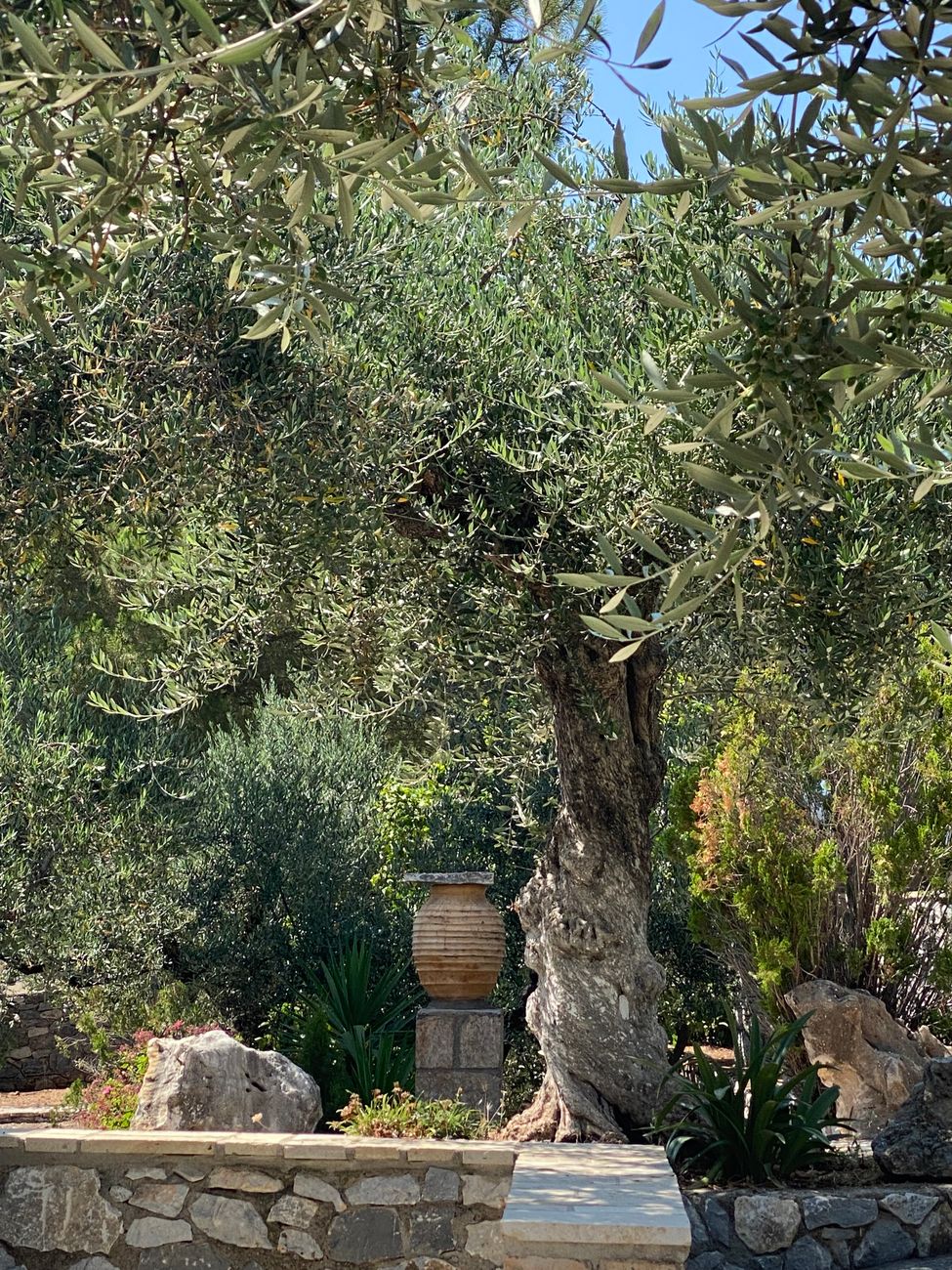
Life revolves unhurriedly around centuries-old olive orchards. Hand-pressed Koroneiki oil, wild oregano harvested from rocky slopes, and sourdough bread baked in communal stone ovens form the core of daily hospitality. Travelers are invited to participate in the harvest or simply write beneath the dappled silver leaves.
Editorial Travel Notes: Peloponnese
- Best Season: Mid-April to June, and late September through November.
- Architecture to Observe: Traditional fortified towers of Vathia and Kardamyli.
- Transportation: A private vehicle is essential; avoid large highways in favor of coastal passes.
To visit the Peloponnese with open senses is to realize that true stillness does not require isolation from culture—it requires sinking deeply into it.